
What Is a Remote Tower?
A remote tower is aerodrome control provided from somewhere other than a cab on the airfield. Cameras, and sometimes other sensors, show the runway and the taxiways to the controller. The decisions are the same ones a tower makes. The room they are made in is not on the field.
· by Michal Zembol
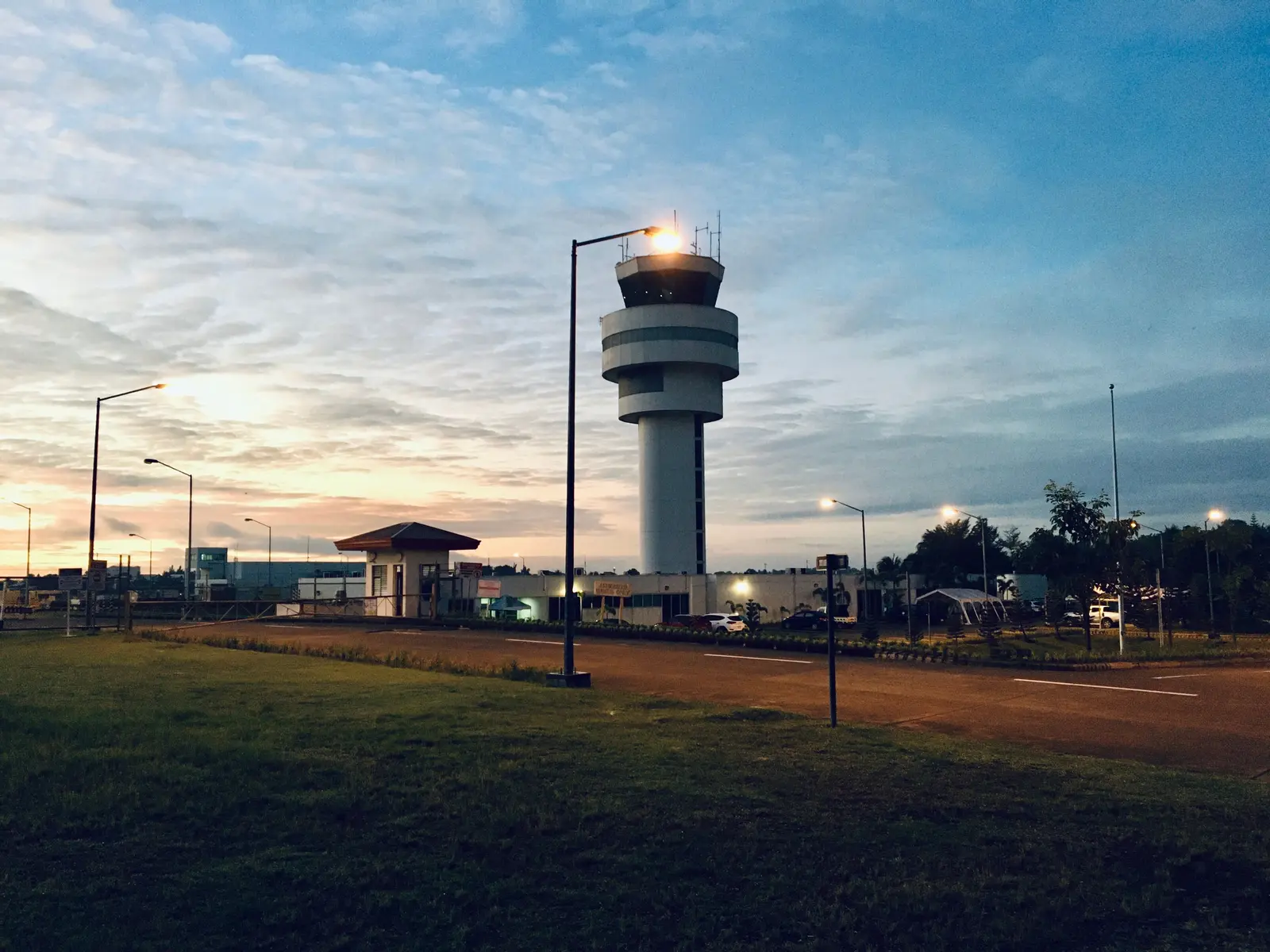
The picture moves. The job does not
In an ordinary tower the picture is the view from the cab: the runway, the taxiways, and the circuit. A remote tower replaces that window with screens. Cameras are sited so the controller can see the manoeuvring area and the aircraft in the circuit. Some installations add a way to look more closely at one part of the field, and some add a sensor for darkness or poor visibility. The controller still clears aircraft to land, to take off, and to taxi, and still keeps vehicles off the runway until they are cleared. What the tower is responsible for is set out in aerodrome control.
The state that allows the service sets the standard for that picture, and for what happens if it fails. A failed camera is not a minor fault. Without the picture the controller cannot see who is on the runway. The published procedure may stop movements, or move the service somewhere else, until the picture is back. A description of one installation is not the rule for the next.
The building on the airfield can still be there. The cameras and the radios have to stand somewhere. An unused cab, or a mast, is equipment. It is not, by itself, proof that a controller is sitting in it.
One room can serve more than one aerodrome
Some remote towers are a single aerodrome, watched from a building next to it or from a centre further away. Others put more than one aerodrome's cameras into one room, so a small group of controllers covers airfields that do not each have their own cab and their own night roster.
That arrangement does not merge the aerodromes into one unit endorsement. The controller is still checked out for the aerodrome on the screen. Another aerodrome is another endorsement, even when the screens are in the same room. How an endorsement is tied to a place is in Licence, Rating and Unit Endorsement.
Why a provider builds one
A cab on the airfield has to be staffed whenever that aerodrome is open. At a small airfield the traffic may not fill a roster of nights and weekends, but the aerodrome still has to be watched while it is open. Putting the picture in a centre lets the provider keep the service without a separate watch at every field.
The hours do not disappear. Someone still works the position for as long as the aerodrome is open, including early mornings and the days the airport publishes. How those hours are built is in Air Traffic Controller Shift Work. Training is still the unit's. A controller checked out on the cameras for one aerodrome is not checked out for the next screen in the room. The two stages of training are in How Air Traffic Controller Training Works.
It is not approach control, and it is not a radar rating
Approach control works the airspace around the airport, usually on a surveillance display. A remote tower works the aerodrome. A camera view of the runway is not a radar picture of the terminal airspace, and a remote-tower qualification is not an approach rating. The split between tower, approach, and area is in Tower, Approach and Area Control.
Where a state treats the remote tower as aerodrome control, the controller still needs that state's licence and the endorsement for the aerodrome. Moving the cab off the field does not remove either document.
What this article does not say
It does not list the aerodromes that use a remote tower, and it does not say that every small airport will close its cab. A state approves the service it is prepared to accept. The provider that staffs it is still the employer.