Air Traffic Controller Shift Work
A controller works the hours the unit is open. At an area centre, and at a busy airport, that includes nights, early mornings, and weekends. The roster is that employer's. It is not one pattern for the profession.
· by Michal Zembol
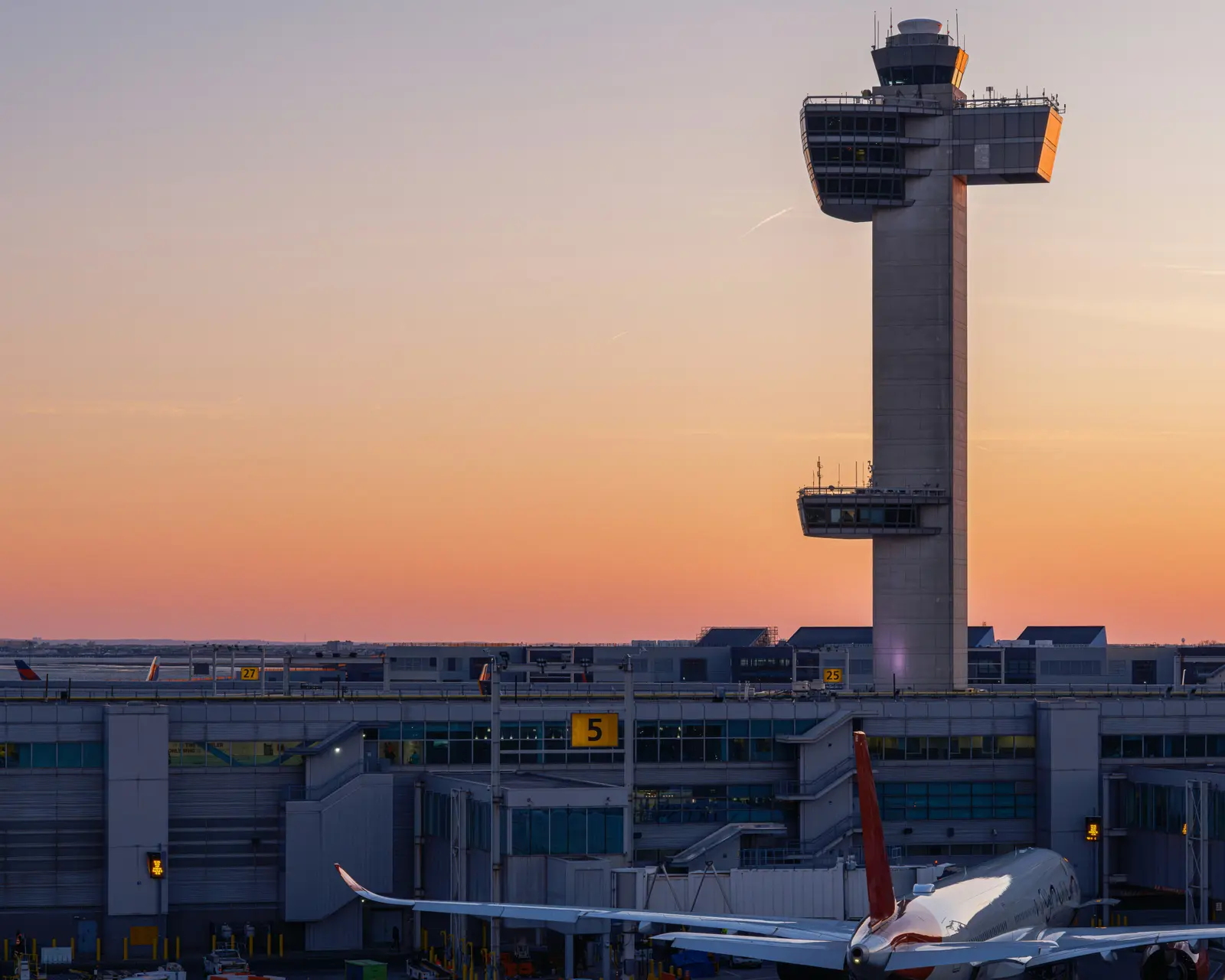
The unit's hours are the job's hours
Air traffic control is provided while the airspace or the aerodrome is open. An en-route centre usually stays open through the night, because the flights do. A busy international airport often does the same. A smaller tower can close in the evening and open again in the morning. The published hours of that aerodrome are a better guide than a general account of the career.
The work inside those hours is a series of positions, with breaks between them. One sitting is one piece of the operation: a runway, an approach, or a sector. How long a person stays on that position is set by the unit, under the fatigue rules that apply there. It is not the same number of minutes everywhere. What happens during a sitting is in What Does an Air Traffic Controller Do?
The handover is part of the roster
A controller does not arrive to an empty sky and leave when the last aircraft has gone. The person coming on takes the traffic that is already there, and the person going off does not leave the frequency until that traffic has been accepted. Breaks are built around that handover. A roster that ignores it does not describe the job.
Nights are the same work with fewer flights at many units, and with a body clock that would rather be asleep. Fewer flights are not the same thing as an empty position. The controller who is on that sector still owns it.
Weekends and public holidays are ordinary shifts
The traffic does not stop because the calendar says Saturday. At a unit that stays open, weekend work and work on public holidays are part of the pattern, not an extra asked of volunteers. How those days are shared, and how many of them fall in one stretch, is written in that employer's roster agreement.
Some units publish a repeating cycle. Others build the roster a few weeks ahead. A cycle you have read about for one centre is a description of that centre. It does not become the cycle at the next airport.
The pattern changes with the rating
A tower that closes at night has no night shift to staff. An area sector that is open all night does. Approach for a 24-hour airport follows the airport. Moving from one kind of unit to another, which usually means a new endorsement, can also mean a different set of hours. The three services are set out in Tower, Approach and Area Control.
Training has its own timetable. A classroom and simulator course often runs in daytime blocks. Unit training follows the positions you are being checked out on, so the hours start to look like the qualified roster before you are qualified. The two stages are in How Air Traffic Controller Training Works.
Shift pay is local
Basic pay, a night allowance, and a weekend allowance are often separate lines. Which of them exist, and how they are taxed, is the employer's agreement for that year. A salary quoted without saying whether allowances are inside it is an incomplete figure. Pay is covered on Air traffic controller pay.
What this article does not say
It does not give a cycle of days on and days off. It does not give a maximum time on a position. Both are published by the unit, or in the rules the state applies to that unit, and they change. A roster from a recruitment page in one year is a record of that campaign.